

























WOOD IS GOOD - HEATING WITH WOOD

Traditionally a natural way to heat
Sustainability and climate protection are crucial issues for everyone. Wood, as a renewable and natural energy source, offers the possibility to heat in a conscious and responsible manner. When wood comes from sustainably managed forests and is used in modern, energy-efficient heating systems, it can contribute to reducing greenhouse gases and supporting climate goals.
750,000 years BC
In the beginning, humans only saw fire when lightning struck, i.e. as soon as trees or grass caught fire. Homo erectus was the first human to use fire for his own purposes.

In the beginning, humans only saw fire when lightning struck, i.e. as soon as trees or grass caught fire. Homo erectus was the first human to use fire for his own purposes.
40,000 years BC
The use of fire in hearths began. This new skill was like a technical revolution at the time. Man moved a good deal further towards independence.

The use of fire in hearths began. This new skill was like a technical revolution at the time. Man moved a good deal further towards independence.
1946
In 1946, Friedrich Schiedel founded his own company under the name "Erbacher Bauwaren". Schiedel was "literally founded with two borrowed shovels and a borrowed wheelbarrow", as he used to say, and so the first Schiedel chimney was built to control fires and flues.

In 1946, Friedrich Schiedel founded his own company under the name "Erbacher Bauwaren". Schiedel was "literally founded with two borrowed shovels and a borrowed wheelbarrow", as he used to say, and so the first Schiedel chimney was built to control fires and flues.
Today
Schiedel is Europe's leading manufacturer of highly efficient chimney systems and offers integrated ventilation and stove systems based on sound experience. Schiedel stands for durable and well-engineered complete systems, intelligent installation solutions and individual service.

Schiedel is Europe's leading manufacturer of highly efficient chimney systems and offers integrated ventilation and stove systems based on sound experience. Schiedel stands for durable and well-engineered complete systems, intelligent installation solutions and individual service.
Advantages of heating with wood
Wood is a renewable and natural energy source that contributes to a responsible heating supply. When wood is burned in the right way, it provides high energy value and efficient heat production. Modern wood stoves also ensure better combustion and lower emissions than traditional wood stoves. Additionally, burning wood creates a unique atmosphere and comfort in the home. Through responsible use and the choice of sustainably produced wood, wood heating can be an environmentally conscious and cozy option.

Renewable resource
Wood is a renewable raw material that, when burned, releases CO₂ that the tree absorbed during its growth. This process can, when the wood comes from sustainably managed forests, contribute to a circular carbon cycle. During combustion, the CO₂ is released all at once, while with natural decomposition, it happens gradually. However, the CO₂ released during natural decomposition cannot be used as a replacement for fossil fuels like natural gas. Under specific conditions, such as in low-oxygen environments, natural decomposition can also produce methane (CH₄), which is a more powerful greenhouse gas than CO₂. Efficient burning and responsible wood harvesting are therefore essential to utilize wood as an energy source in a sustainable and environmentally conscious way.

High energy value
Firewood has a high energy value. Oak, for example: While it has a residual wood moisture content of approx. 15 - 20%, its calorific value is 4.2 kWh per kilogram.
High energy value
Firewood has a high energy value. Oak, for example: While it has a residual wood moisture content of around 15-20%, its calorific value is 4.2 kWh per kilogram. Today, 9% of the world's current energy supply (560 EJ) comes from forests, which account for almost 49 EJ. In 2035, the World Bioenergy Association estimates that 13-15% of global energy demand will most likely be covered by wood (72-84 EJ). The abbreviation EJ stands for exajoule and is a unit of measurement for energy.


Low emission factor
The impact of air pollution on our health and the environment is so enormous that air pollution, after climate change, is the biggest environmental problem. Firewood has a low emission factor compared to other energy sources like coal. Additionally, there are technological solutions available that can help reduce the emissions of fine particles.

Reducing emissions from wood combustion
Wood burning in households with old stoves and open fires contribute significantly more to environmental pollution than modern stoves. Old stoves are part of the problem, new stoves are part of the solution. In the graph, the abbreviation TSP stands for Total Suspended Particles.

Efficiency
Today's technology from Schiedel can dramatically increase stove efficiency by up to 86% while reducing emissions by 2/3 compared to older inefficient stoves. While old and inefficient single stoves and open fires exacerbate the problem, new technologies cleaner and more efficient options than, for example, a fireplace. We could drastically reduce emissions if consumers do both: replace old appliances and use only the highest quality dry wood.

The European forest is growing
30% of annual forest growth remains in the forest. The European forest area is increasing by the area of a soccer pitch every minute, so the potential for carbon capture will increase in the coming decades.
Use of the entire tree
Sustainable use of the entire tree: Wood as a raw material is not only a great source of energy and heat, but is also suitable for use in building structures or for the manufacture of wooden furniture.

European climate protection targets
In addition to energy saving, the EU is focusing on renewable energies such as biomass and wood in particular. Our energy systems must become free of fossil fuels. The EU plans to expand renewable energies to at least 30% by 2030.
The right choice of firewood
Hardwood is more suitable for use in a wood-burning stove than softwood. Softwood has a high resin content and therefore a shorter burning time. These four types of wood are ideal for combustion - beech, oak, birch and spruce.
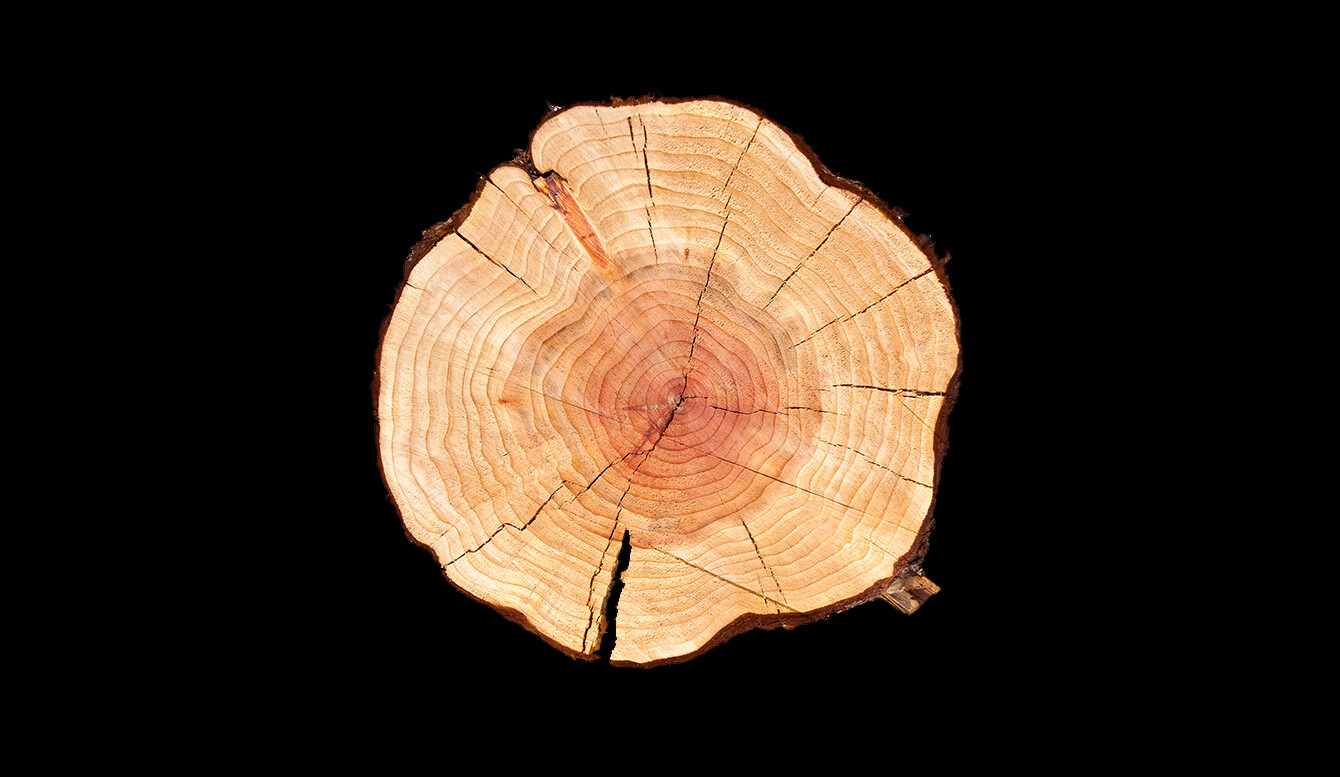
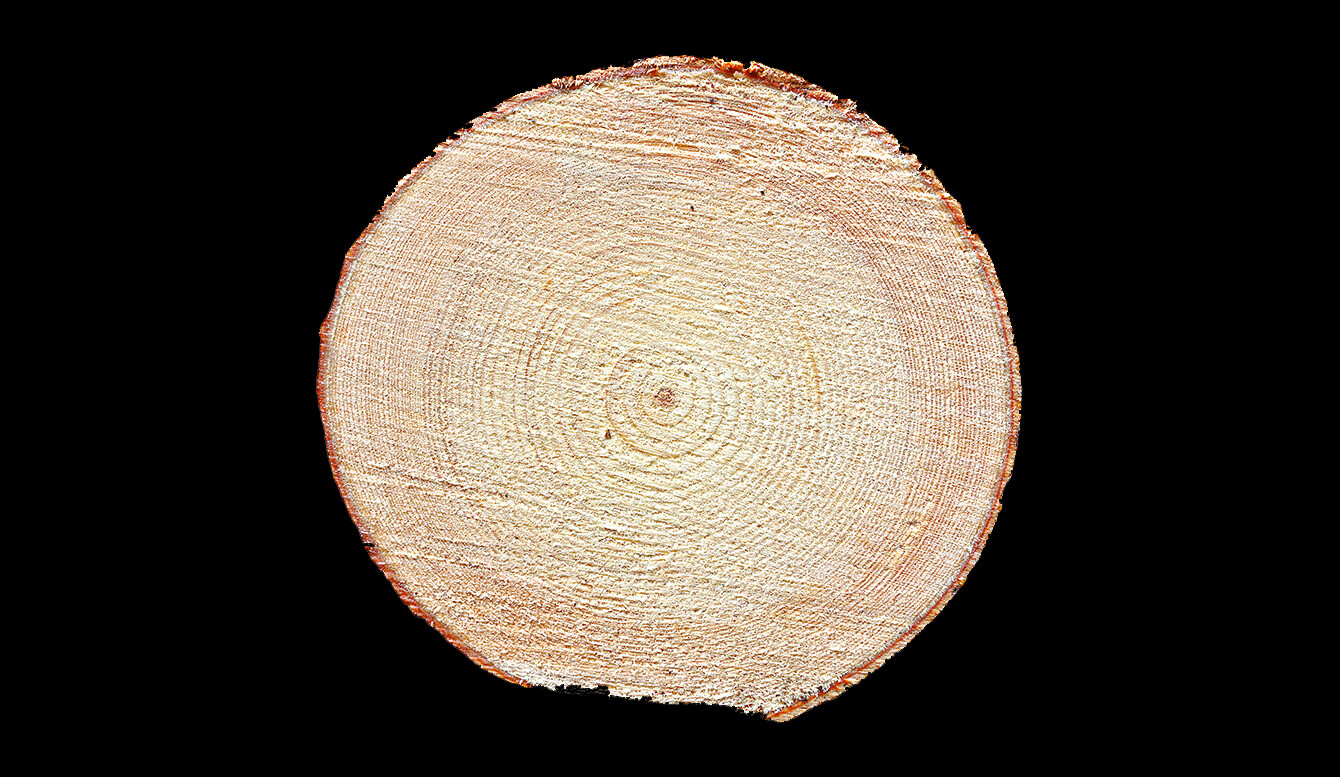
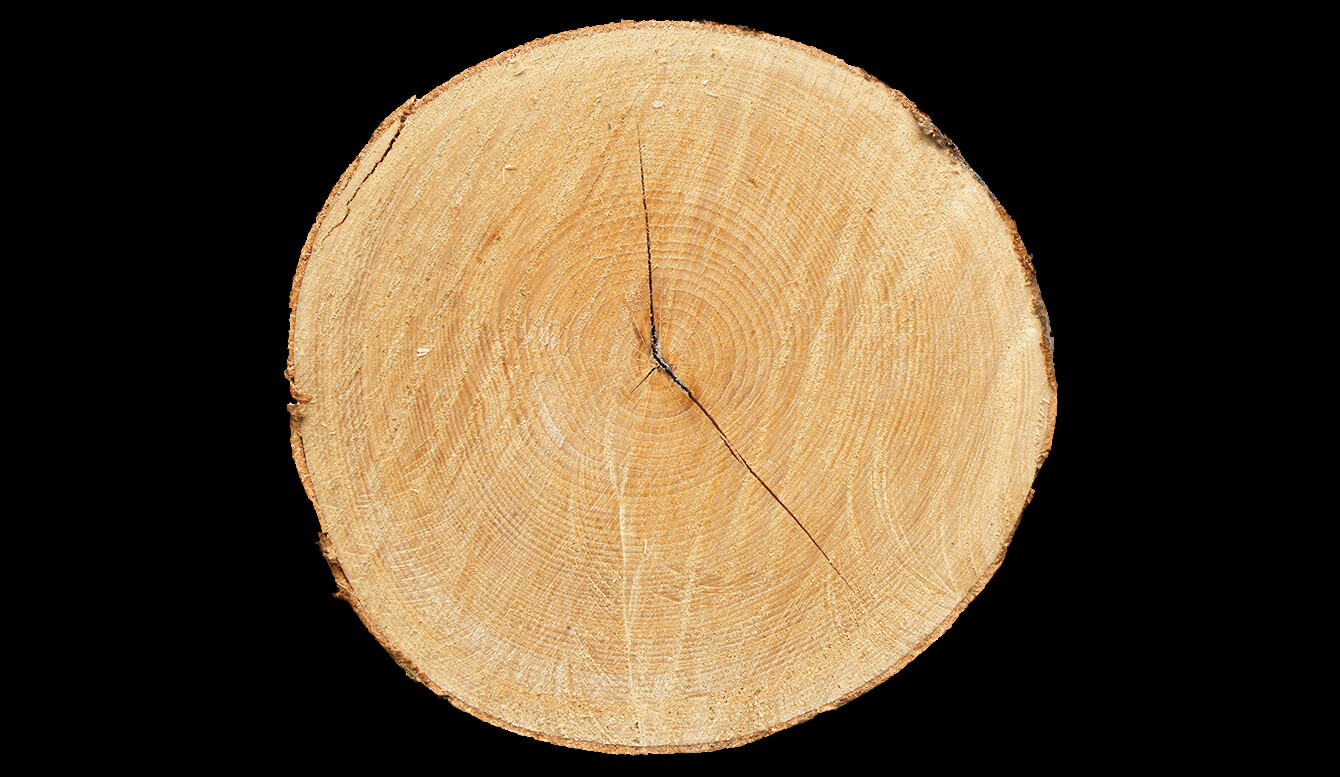
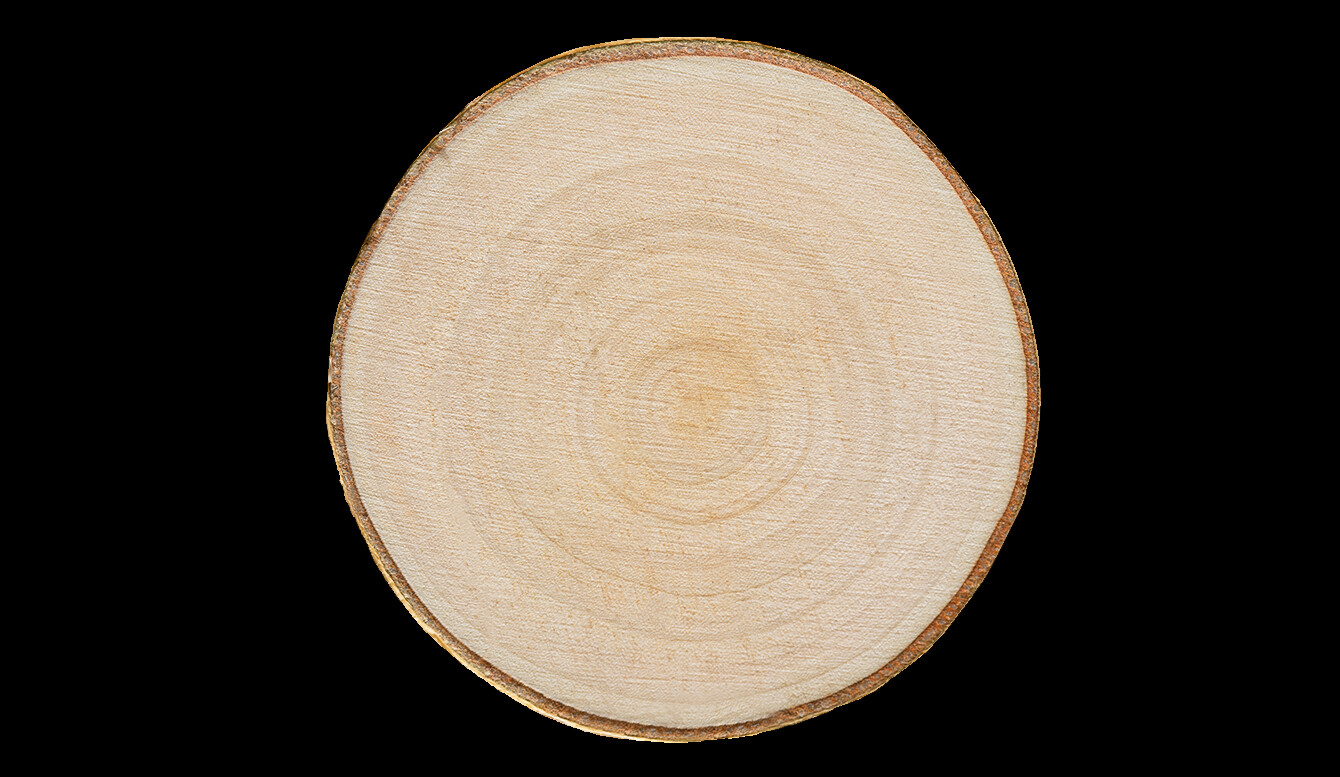

Always use regional woods
Make sure that the firewood comes from regional forests and from sustainable forestry. In this way, you are supporting environmental protection and acting as responsibly as possible. The best firewood has been dried for over a year and has a residual moisture content of 15-20%. As damp/fresh firewood is heavier than well-seasoned firewood, you also get less wood for your money.

The right size of firewood
Choosing the right firewood is crucial for its calorific value. The size of the logs should match the size of the stove. For most wood-burning stoves, this means a log length of between 25 and 30 cm, while the circumference should not exceed 25 cm.
More about Schiedel

About our history
Innovative for over 75 years. Schiedel stands for durable complete systems, intelligent installation solutions and customer-oriented service.

The company - Schiedel
Our vision, mission and convictions. Schiedel stands for the values: Empower, Evolve, Connect and Inspire.
